

Can Marble Etching Be Repaired? Everything You Need to Know

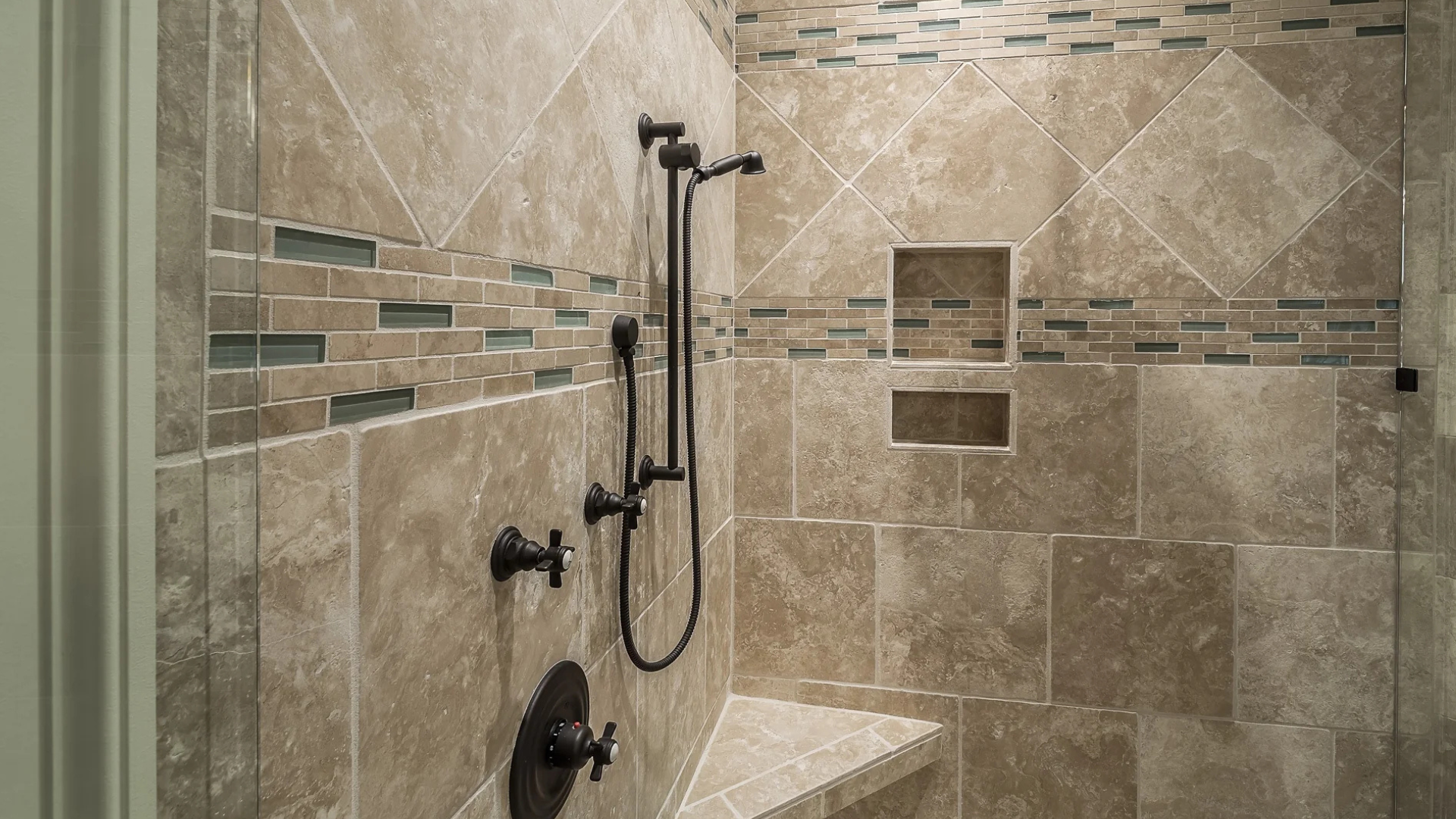
Marble is one of the most sought-after natural stones used throughout Australian homes and commercial properties. From elegant kitchen benchtops and bathroom vanities to polished floors, staircases and feature walls, marble is valued for its timeless appearance, unique natural veining and luxurious finish. Its ability to complement both classic and contemporary interiors has made it a popular choice for homeowners, architects and designers alike. With the right care and maintenance, marble can remain a stunning feature for many years while adding lasting value and sophistication to a property.
However, despite its beauty, marble is also one of the softer natural stones and is particularly susceptible to a common form of surface damage known as etching. Unlike everyday dirt or grime, etching affects the surface of the stone itself, leaving behind dull patches, cloudy marks or areas that have lost their original shine.
If you've noticed dull patches, cloudy marks, rings around glasses or areas that seem to have lost their shine, you're probably wondering: Can marble etching be repaired?
The short answer is yes. In most cases, professionally restoring etched marble is entirely possible. The appropriate repair method depends on the severity of the damage, the type of marble and the finish of the surface. Understanding what etching is, what causes it and how it can be professionally repaired is the first step towards restoring your marble to its original appearance.
What Is Marble Etching?
Unlike stains, which occur when a liquid penetrates the stone, etching is physical damage to the marble's surface. Marble contains calcium carbonate, which reacts with acidic substances. When acid comes into contact with the stone, it chemically dissolves a microscopic layer of the surface, leaving behind a dull or cloudy patch.
Because the damage changes the surface itself rather than simply sitting on top of it, etching cannot be removed with standard cleaning products.
Etching may appear as:
- Dull or cloudy patches
- Water ring-like marks
- Loss of reflection
- White or light-coloured spots
- Areas that feel slightly rougher than the surrounding stone
- Uneven shine across a benchtop or floor
The good news is that these marks are usually repairable through professional marble restoration.
What Causes Marble Etching?
Many people assume harsh chemicals are the main cause of etching, but everyday household products are often responsible.
Common causes include:
- Lemon juice
- Vinegar
- Wine
- Soft drinks
- Coffee
- Fruit juices
- Tomato sauce
- Cleaning products containing acids
- Bathroom cleaners
- Toilet cleaners
- Beauty products
- Perfumes and cosmetics
Even leaving a slice of lemon or a wine glass on an unprotected marble benchtop can cause noticeable etching. In bathrooms, shampoo, body wash, hair products and acidic cleaning chemicals can gradually dull marble surfaces over time.
Etching vs Staining – What's the Difference?
One of the biggest misconceptions is confusing etching with staining.
A stain occurs when a liquid penetrates into the stone and changes its colour. An etch occurs when acid chemically reacts with the marble and damages the surface finish. This distinction is important because the solution is completely different. Stains may sometimes be removed using specialised stain removal techniques, while etched marble generally requires professional restoration to restore the original finish.
Can You Clean Away Etch Marks?
Unfortunately, no. Because etching is actual surface damage rather than dirt, no amount of scrubbing or household cleaning will remove it. In fact, many homeowners unintentionally make the problem worse by:
- Using abrasive scourers
- Applying acidic cleaners
- Using DIY polishing compounds
- Attempting to sand the damaged area
- Over-polishing one section
These methods often create uneven finishes or additional scratches, making professional restoration more difficult.
If the marble has become dull due to etching, the surface itself needs to be restored—not simply cleaned.
Can Etching Be Professionally Repaired?
In most cases, yes. Professional marble restoration specialists can remove etch marks by mechanically refining the damaged surface using specialist diamond abrasives and polishing techniques.
The restoration process is designed to remove only the damaged microscopic layer while preserving the integrity of the stone.
Depending on the extent of the damage, the process may include:
- Assessing the condition of the marble
- Removing scratches or minor imperfections
- Honing the surface to eliminate etch marks
- Polishing the marble to restore clarity and shine
- Cleaning the surface thoroughly
- Applying a premium penetrating sealer where appropriate
The result is a surface with a more uniform finish that closely resembles its original appearance.
Does Sealing Prevent Etching?
This is another common misconception. A premium penetrating sealer is designed to help reduce the absorption of liquids and minimise staining, but it does not stop acidic substances from etching marble. Many homeowners are surprised to learn that even newly sealed marble can still develop etch marks if exposed to acidic products.
For clients looking for enhanced protection, specialised surface protection systems such as MORE™ AntiEtch™ can provide significantly greater resistance to everyday acids while preserving the natural beauty of the stone.
Can All Marble Be Restored?
Every restoration project is different, but many types of marble can be successfully restored, including:
- Kitchen benchtops
- Bathroom vanities
- Shower walls
- Marble flooring
- Staircases
- Dining tables
- Reception counters
- Commercial stone flooring
The condition of the stone, previous repairs and the severity of the damage will all influence the recommended restoration approach.
How to Prevent Future Etching
While marble cannot be made completely immune to damage, a few simple habits can help prolong its appearance.
- Wipe up spills promptly.
- Avoid acidic cleaning products.
- Use pH-neutral cleaners designed for natural stone.
- Use coasters and placemats where practical.
- Schedule professional maintenance when signs of wear begin to appear.
- Consider additional protective coatings if the marble is exposed to frequent use.
Regular maintenance can significantly extend the life and appearance of natural stone.
Restore Your Marble with Confidence
Etch marks don't necessarily mean your marble needs replacing. In many cases, professional restoration can remove dull patches, restore clarity and return the stone to a beautiful, consistent finish.
At Complete Stone Care, we specialise in restoring marble and other natural stone surfaces throughout Sydney. Whether your marble has developed light etching, heavy wear or widespread dullness, our experienced technicians can assess the condition of your stone and recommend the most suitable restoration solution.
If you're unsure whether your marble can be repaired, contact our team for professional advice or request a quotation today.