

Why Limestone Floors Lose Their Finish (And How Professional Restoration Can Help)

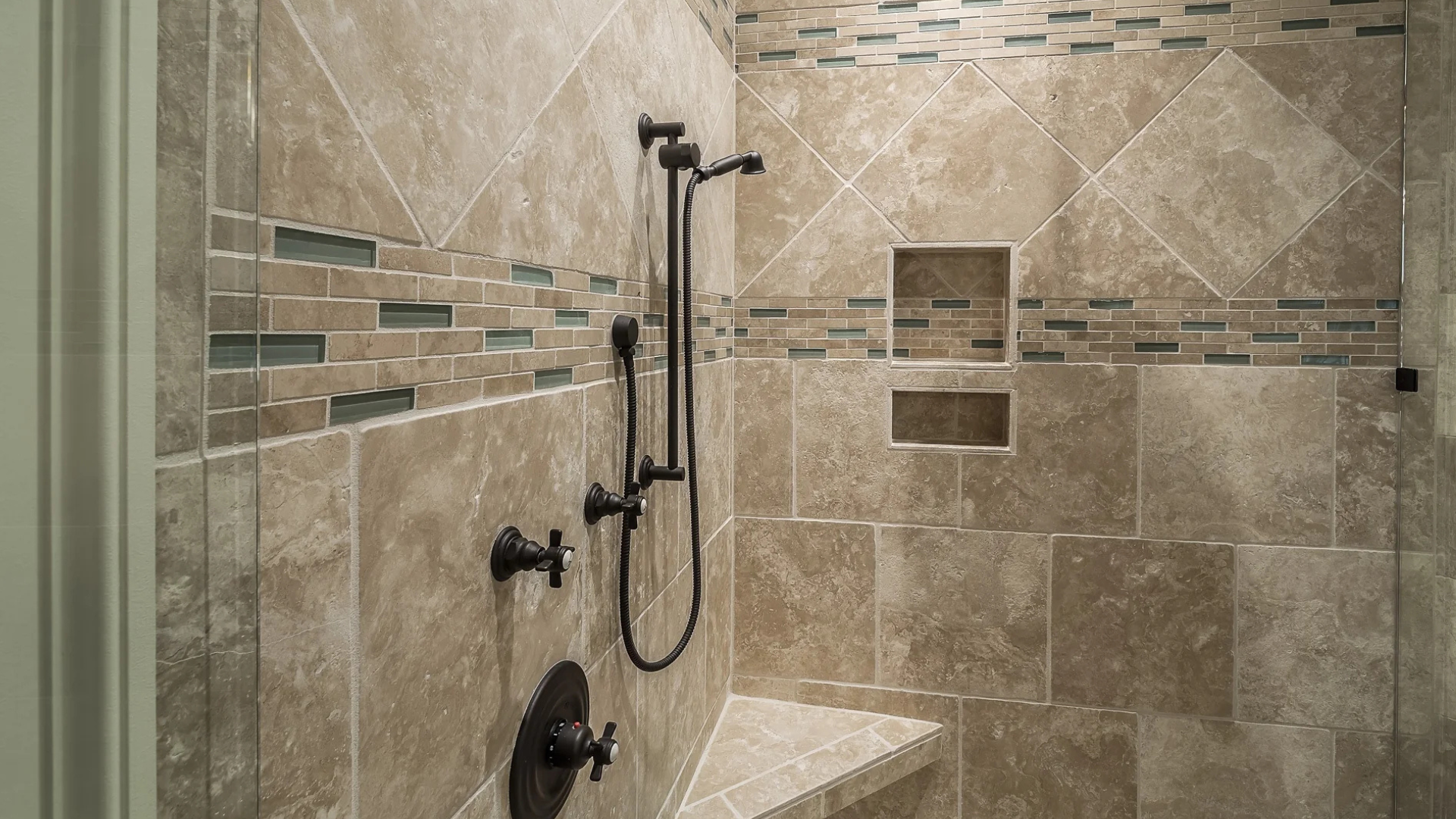
Limestone has been used in homes and buildings for centuries because of its natural beauty, subtle textures and timeless appeal. Its soft, earthy colours make it a popular choice for flooring throughout living areas, kitchens, bathrooms and outdoor entertaining spaces, creating a sophisticated look that complements both modern and traditional homes.
While limestone is an exceptionally durable natural material, it is not immune to everyday wear. Like all natural stone, limestone gradually changes as it is exposed to foot traffic, moisture, furniture movement and regular cleaning. Over time, many homeowners notice that their once beautiful limestone floor no longer has the same rich appearance it had when it was first installed.
The surface may begin to look dull, patchy or worn. Some areas may appear darker than others, while high-traffic pathways often lose their uniform finish. These gradual changes can leave homeowners wondering whether the stone simply needs a better clean or whether something more significant has occurred.
Fortunately, a worn limestone floor doesn't usually need replacing. In many cases, professional limestone restoration can remove years of surface wear and restore much of the stone's original beauty while preserving the existing floor.
Understanding why limestone loses its finish is the first step towards protecting one of the most valuable features of your home.
Limestone Naturally Changes Over Time
Unlike manufactured flooring materials, limestone is a natural product formed over millions of years. Its unique composition gives every tile or slab its own colour variation, texture and character. These natural qualities are part of what makes limestone so desirable, but they also mean the stone requires appropriate care throughout its lifetime.
Daily use slowly changes the surface of the stone. Every footstep, every chair moved across the floor and every small particle of dirt carried inside contributes to microscopic wear that gradually reduces the original finish. This process is so gradual that many homeowners don't notice it until they compare worn areas with sections of flooring hidden beneath furniture or rugs.
Rather than wearing evenly, limestone typically develops visible traffic patterns where the floor experiences the greatest use.
Foot Traffic Is One of the Biggest Contributors
One of the primary reasons limestone floors lose their finish is simply because they are walked on every day.
Tiny particles of sand, dirt and grit trapped beneath shoes act like extremely fine abrasives. Although each individual particle causes only microscopic wear, the cumulative effect over months and years gradually reduces the clarity and consistency of the stone's finish.
This is why areas such as:
- Hallways
- Entryways
- Kitchens
- Living rooms
- Doorways
often appear noticeably duller than less frequently used sections of the same floor.
The limestone itself hasn't failed—its surface has simply experienced years of normal wear.
Cleaning Products Can Also Affect Limestone
Many homeowners unknowingly contribute to the deterioration of limestone by using unsuitable cleaning products. Because limestone is a calcium-based natural stone, it reacts with acidic substances. Products containing vinegar, citrus extracts or acid-based cleaning agents can gradually damage the surface, leaving it dull and uneven.
Even repeated use of harsh alkaline cleaners or abrasive pads may reduce the quality of the finish over time. For routine maintenance, limestone should always be cleaned using pH-neutral products specifically designed for natural stone.
Using the correct cleaning products won't eliminate normal wear, but it can significantly reduce unnecessary damage.
Moisture and Staining Can Change the Appearance
Although limestone feels solid, it contains microscopic pores that can absorb moisture and contaminants if left unprotected.
Spills such as coffee, wine, cooking oils and cosmetics may penetrate the surface, particularly if the protective sealer has worn away.
Over time this can lead to:
- Dark patches
- Surface staining
- Uneven colouring
- General discolouration
Professional restoration often includes deep cleaning and stain treatment before the stone is refinished and professionally sealed.
Why Routine Cleaning Isn't Always Enough
Many homeowners continue cleaning their limestone floors hoping the dull appearance will eventually disappear.
Unfortunately, once the finish itself has worn away, cleaning alone cannot restore it Dirt sits on the surface. Wear affects the stone itself.
No household cleaner can replace a finish that has gradually been removed through years of use. This is one of the main reasons homeowners become frustrated after trying numerous cleaning products with little improvement.
How Professional Limestone Restoration Helps
Professional limestone restoration focuses on improving the condition of the stone rather than simply making it look cleaner.
Depending on the condition of the floor, restoration may involve:
- Deep cleaning
- Removing surface scratches
- Honing worn areas
- Refining uneven finishes
- Repairing minor chips
- Treating stains
- Applying a premium penetrating sealer
Each stage is designed to improve the appearance of the limestone while preserving the natural character that makes the stone unique. Rather than replacing the existing floor, restoration allows homeowners to enjoy the beauty of their limestone for many more years.
Why Early Restoration Often Produces Better Results
Many people wait until their limestone floor looks heavily worn before seeking professional advice. In reality, addressing the first signs of wear often results in a simpler restoration process and helps prevent more significant deterioration.
Minor dullness and light surface wear are generally easier to correct than years of neglected damage. Periodic professional maintenance can also help extend the time between more extensive restoration work while keeping the floor looking its best.
Protecting Your Limestone After Restoration
Once your limestone floor has been professionally restored, ongoing maintenance plays an important role in preserving the finish. Simple habits such as using pH-neutral cleaners, removing grit from the floor regularly, wiping spills promptly and resealing the stone when required can significantly extend the life of the restoration.
Combined with periodic professional maintenance, these practices help keep limestone looking beautiful for many years.
Restore the Natural Beauty of Your Limestone Floors
A limestone floor that has become dull or worn doesn't necessarily need replacing. In many cases, professional restoration can successfully remove years of wear, restore a more consistent finish and preserve the natural beauty of the stone.
At Complete Stone Care, we specialise in the restoration, polishing, repair and sealing of limestone floors throughout Sydney. Every project begins with a thorough assessment of the stone so we can recommend the most appropriate restoration solution based on its condition and finish.
If your limestone floors have lost their original appearance, contact Complete Stone Care today to arrange a professional inspection or request a free quotation.