

Marble Polishing vs Marble Restoration: Which Service Does Your Stone Actually Need?

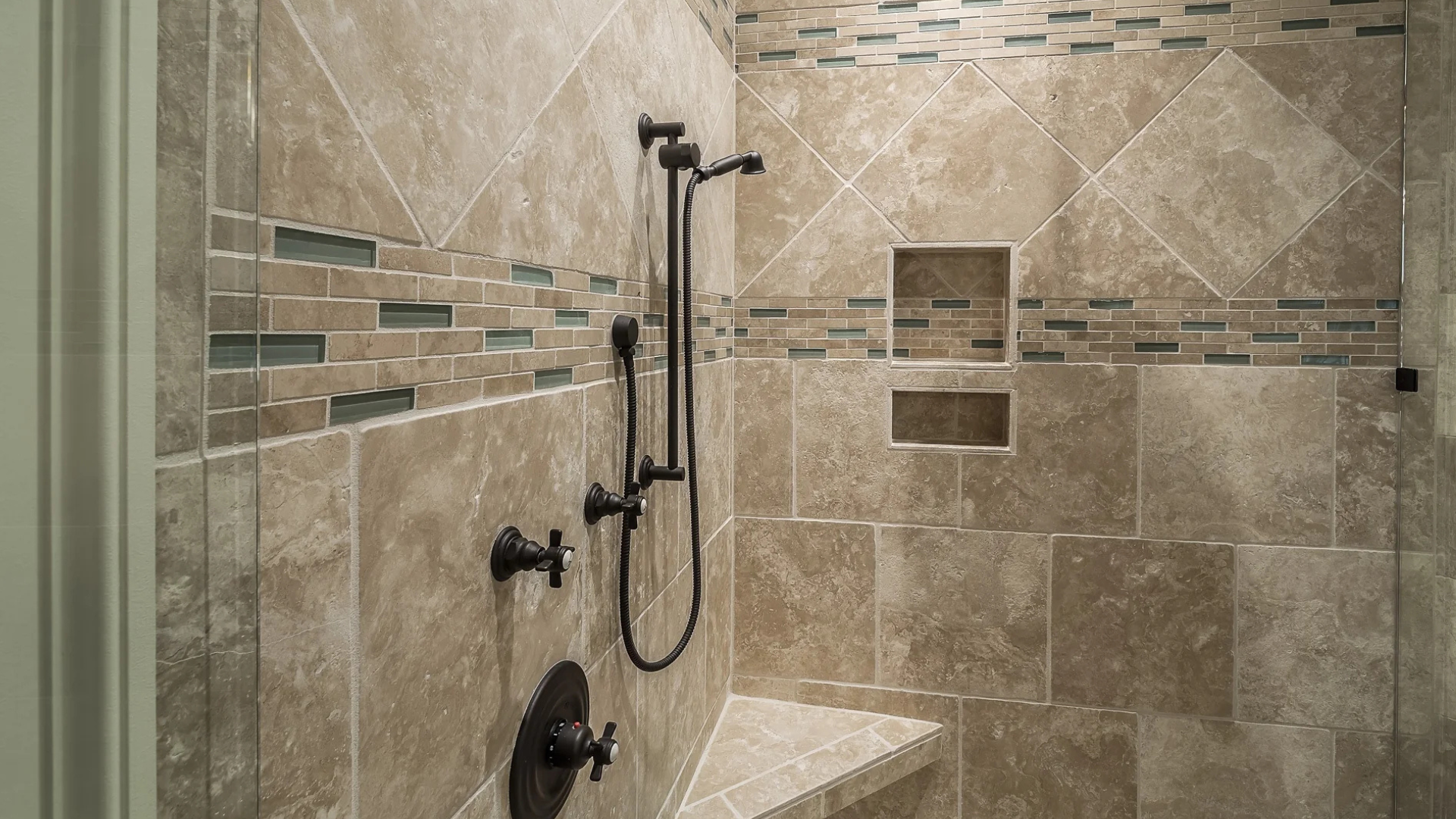
If you've started researching ways to improve the appearance of your marble, you've probably come across the terms marble polishing and marble restoration. They're often used interchangeably, leading many homeowners to believe they're simply two different names for the same service. In reality, they describe two very different processes, each designed to address different conditions of the stone.
This distinction is important because choosing the wrong service can leave you disappointed with the final result. A marble surface that has developed scratches, etch marks or years of wear won't necessarily regain its original appearance simply by polishing it. Likewise, marble that is already in excellent condition may not require a full restoration process when a professional polish is all that's needed.
Understanding the difference between these services allows you to make a more informed decision and ensures your marble receives the treatment best suited to its current condition.
The Difference Isn't About Shine—It's About Condition
The easiest way to understand the difference is to think about the condition of the stone, not the finish. If the marble is already in good condition but has simply become slightly flat from everyday use, polishing may be enough to refresh its appearance.
If the marble has developed etch marks, scratches, chips, dull traffic paths or uneven areas, the surface usually needs to be restored before polishing can achieve a quality result.
Professional restoration focuses on correcting the damage. Polishing focuses on creating the final finish.
One prepares the stone. The other enhances it.
The Difference Isn't Just About Shine—It's About the Condition of the Stone
The easiest way to understand the difference between marble polishing and marble restoration is to look beyond the final appearance and instead consider the condition of the marble itself. While both services are designed to improve the look of natural stone, they achieve that result in very different ways and are intended for completely different situations.
If a marble surface is still in good overall condition and has simply lost some of its natural brilliance through everyday use, professional polishing may be all that's required to restore its clarity and shine. This is often the case with newer marble or surfaces that have been well maintained over the years and only require a cosmetic refresh.
However, if the marble has developed visible scratches, etch marks, water rings, chips or widespread dullness, polishing alone is unlikely to produce the desired result. These types of imperfections affect the surface of the stone itself, meaning they first need to be corrected through restoration before a polished finish can truly enhance the marble's appearance.
In simple terms, marble restoration repairs the stone, while marble polishing enhances the finish. Restoration addresses the underlying damage that has accumulated over time, whereas polishing is the final step that brings back the depth, clarity and reflection people associate with beautifully maintained marble.
When Professional Marble Polishing Is the Right Solution
Professional marble polishing is generally recommended when the stone remains structurally sound and has only experienced minor wear from everyday use. Rather than correcting significant damage, polishing is intended to rejuvenate a surface that has gradually become less vibrant while still remaining in relatively good condition.
For example, marble that has lost a small amount of its original gloss, developed light traffic wear or simply appears flatter than when it was first installed can often benefit from professional polishing. Likewise, homeowners who have previously invested in marble restoration may choose periodic polishing as part of an ongoing maintenance program to keep the surface looking its best.
That said, it's important to understand what polishing cannot achieve. While it can improve the overall appearance of the finish, it isn't designed to remove deeper scratches, repair etching, eliminate chips or restore heavily worn areas. If those problems already exist, polishing alone will often leave them visible, even though the surrounding stone may appear shinier.
When Marble Restoration Is the Better Choice
Marble restoration is a much more comprehensive service because it focuses on improving the condition of the stone rather than simply enhancing its finish. Instead of polishing over years of wear, restoration carefully removes or significantly reduces the damage that has developed over time before the final finish is applied.
This is often the most appropriate solution when marble has suffered from acid etching, deep scratches, cloudy patches, uneven reflection, dull traffic paths or minor chips around edges and corners. Depending on the condition of the surface, restoration may involve diamond honing, scratch removal, chip repairs, stain treatment and professional polishing as the final stage of the process.
Because the underlying damage is addressed first, restoration generally produces a far more uniform, natural and long-lasting result than polishing alone. Rather than temporarily improving the appearance of worn marble, it restores the integrity of the surface itself, allowing the stone's natural colour, veining and depth to become visible once again.
A Simple Way to Understand the Difference
A useful comparison is restoring a timber floor.
If the floor has only lost some of its shine after years of normal use, applying a fresh protective finish may be enough to improve its appearance. However, if the timber has become scratched, uneven or heavily worn, simply adding another coat won't solve the problem. The damaged surface first needs to be sanded and properly prepared before the final finish is applied.
Marble restoration works in much the same way. If the underlying surface has already been damaged by etching, scratches or years of wear, polishing alone cannot remove those imperfections. Instead, it simply enhances the existing surface, including the damage that remains beneath it.
Why Some Marble Still Looks Dull After Being Polished
One of the most common questions homeowners ask is why their marble still looks dull despite recently being polished.
In many cases, the issue isn't the polishing itself—it is that the marble required restoration before polishing was carried out. If the surface still contains etch marks, fine scratches or uneven wear, those imperfections continue to scatter light, preventing the marble from achieving the clear, reflective finish most people expect.
Professional restoration removes these imperfections before polishing begins, creating a smoother and more consistent surface. Only once the damage has been addressed can polishing restore the depth, clarity and luxurious appearance that makes marble such a desirable natural stone.
Choosing the Right Service Starts with the Right Assessment
No two marble surfaces age in exactly the same way. Factors such as the type of marble, its age, the level of daily use and previous maintenance all influence which service is likely to produce the best outcome.
A relatively new marble benchtop with only a slight loss of shine may require nothing more than professional polishing. By comparison, an older marble floor that has experienced years of heavy foot traffic, scratching and acid exposure will almost always benefit from a more comprehensive restoration before polishing is considered.
This is why a professional assessment is so important. Rather than recommending the same solution for every project, an experienced stone restoration specialist evaluates the condition of the marble and tailors the restoration process to achieve the best possible result.
When Marble Polishing Is Usually Appropriate
Marble polishing is generally recommended when the surface is structurally sound and relatively free from significant damage.
Examples include:
- Slight loss of shine
- Minor surface wear
- Light traffic marks
- Marble that has become slightly flat over time
- Routine maintenance of previously restored stone
In these situations, polishing can refresh the surface and improve its clarity without requiring more extensive restoration.
However, polishing is not designed to remove deeper imperfections.
When Restoration Is the Better Choice
Professional marble restoration becomes the better option when the stone has visible damage that affects its appearance or finish.
Common examples include:
- Etch marks
- Deep scratches
- Cloudy patches
- Dull traffic lanes
- Water rings
- Minor chips
- Uneven reflection
- Areas with inconsistent levels of polish
Rather than simply making the surface shinier, restoration works to remove or significantly reduce these imperfections before the final finish is applied.
This is why restoration generally produces a much more consistent and longer-lasting result.
Think of It Like Restoring a Timber Floor
A useful comparison is a timber floor. If the floor has only become slightly dull, applying a new protective finish may improve its appearance. If the timber is scratched, uneven and heavily worn, simply adding another coat won't fix the underlying damage. The surface first needs to be sanded and prepared before the final finish is applied.
Marble works in much the same way. Polishing without first addressing the damage often means the imperfections remain visible beneath the shine.
Why Some Marble Still Looks Dull After Being Polished
One of the most common complaints we hear is:
"I've had my marble polished, but it still looks dull."
This usually happens because the surface wasn't properly restored before polishing.
If etching, scratches or uneven wear remain, polishing alone cannot remove them. Instead, the polished finish simply reflects the existing damage. Professional restoration removes these imperfections first, allowing the final polish to produce a much clearer and more consistent result.
There Isn't a One-Size-Fits-All Solution
Every piece of marble is different.
The type of marble, its age, how it has been used and the extent of the wear all influence the most appropriate treatment.
For example:
A newly installed marble benchtop that has lost a little shine may only require polishing.
A fifteen-year-old marble floor with heavy foot traffic, scratches and etching will generally require a full restoration before polishing is carried out.
This is why professional assessment is so important.Rather than recommending the same service for every project, an experienced restoration specialist evaluates the condition of the stone and recommends the approach most likely to achieve the best outcome.
Professional Assessment Saves Time and Money
Many homeowners request marble polishing because they believe the stone simply needs to be shinier.
After inspection, it's often discovered that the dull appearance is actually caused by years of etching and surface wear. Had polishing alone been carried out, the result would likely have been disappointing. Choosing the correct process from the beginning not only produces better results but also avoids paying for work that doesn't address the real issue.
Which Service Does Your Marble Actually Need?
The answer depends entirely on the condition of the stone.
If your marble has only experienced minor wear, professional polishing may be sufficient to refresh its appearance. If the surface has become scratched, etched, dull or uneven, restoration is often the more appropriate solution because it addresses the underlying damage before restoring the finish.
The best way to determine which service is right for your marble is through a professional assessment by an experienced stone restoration specialist.
Restore Your Marble the Right Way
At Complete Stone Care, we provide both professional marble polishing and complete marble restoration services throughout Sydney. Every project begins with a thorough assessment of the stone, allowing us to recommend the most suitable treatment based on its condition rather than applying a one-size-fits-all approach.
Whether your marble requires a simple polish or a full restoration, our experienced technicians can help restore its natural beauty and ensure you receive the right solution for your stone.