

Why Sealing Natural Stone Is Essential for Long-Term Protection

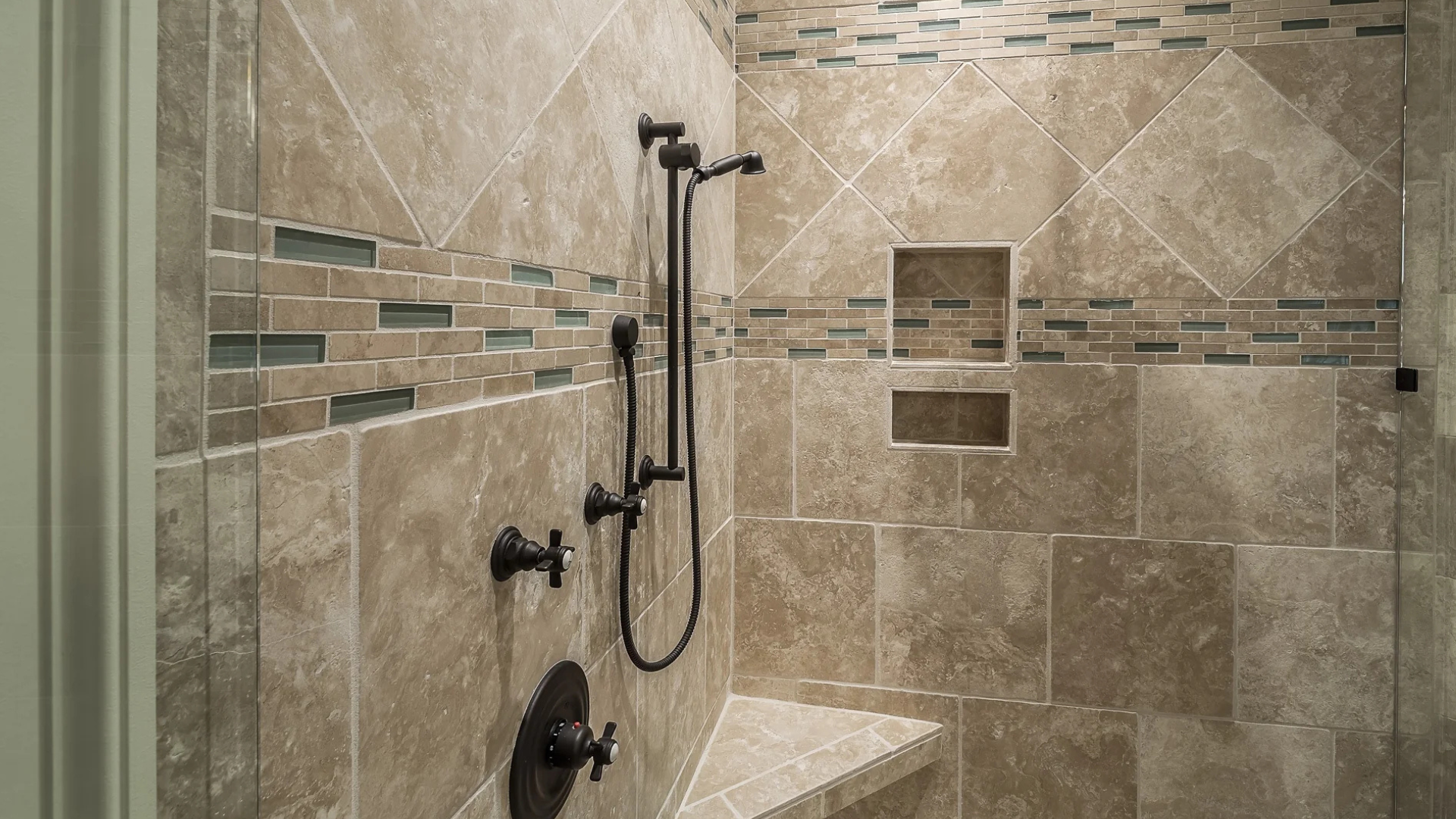
Natural stone is one of the most durable and visually striking materials used throughout homes and commercial properties. Whether it's marble, limestone, travertine, granite, terrazzo or quartzite, natural stone offers a timeless appearance that can enhance the value and character of a property for decades.
Despite its durability, natural stone is not maintenance-free. Many types of stone are naturally porous, meaning they contain microscopic pores that can absorb liquids, moisture and contaminants over time. Without adequate protection, everyday spills and exposure to water can gradually affect both the appearance and long-term condition of the stone.
This is where professional stone sealing plays an important role.
While sealing won't prevent every type of damage, it provides an additional layer of protection that helps preserve the appearance of natural stone, simplifies day-to-day maintenance and reduces the risk of permanent staining. For homeowners who have invested in quality natural stone, sealing is one of the most effective ways to help protect that investment for years to come.
Why Is Natural Stone Sealed?
Many homeowners assume that natural stone is completely solid because it feels hard and durable. In reality, most natural stone contains tiny pores that are invisible to the naked eye. These pores allow liquids to penetrate beneath the surface if left unprotected.
Over time, substances such as cooking oils, coffee, wine, cosmetics and other everyday spills can work their way into the stone, making stains more difficult to remove.
Professional sealing helps reduce this absorption by filling many of the stone's microscopic pores with a penetrating protective treatment. Rather than sitting on top of the surface like a coating, penetrating sealers are designed to soak into the stone and provide protection from within while allowing the stone to maintain its natural appearance.
This means spills are more likely to remain on the surface long enough to be cleaned up before they penetrate the stone.
The Benefits Go Beyond Stain Resistance
Many people associate stone sealing solely with stain protection, but the benefits extend much further.
Professionally sealed natural stone is generally easier to maintain because dirt, oils and other contaminants are less likely to penetrate the surface. Routine cleaning often becomes simpler, helping homeowners preserve the appearance of their stone with less effort.
Professional sealing can also help:
- Reduce moisture absorption.
- Make everyday cleaning easier.
- Improve resistance to common household stains.
- Help preserve the stone's natural appearance.
- Extend the time between major restoration work.
- Protect the investment made in premium natural stone.
While sealing is not a substitute for proper maintenance, it forms an important part of a long-term stone care program.
Different Stones Have Different Sealing Requirements
Not all natural stone absorbs liquids at the same rate. For example, marble, limestone and travertine generally benefit from regular sealing because of their more porous nature. Granite and quartzite are often denser materials, but many varieties can still benefit from professional sealing depending on their composition and how they are used.
The location of the stone also influences sealing requirements. A marble kitchen benchtop exposed to cooking oils, coffee and food preparation will generally require different maintenance to an outdoor sandstone entertaining area or a polished granite vanity.
Because every stone is different, a professional assessment is the best way to determine whether sealing is required and which type of sealer is most appropriate.
What Stone Sealing Does—and Doesn't—Do
One of the biggest misconceptions surrounding natural stone is that sealing makes it immune to damage. While professional sealing offers many benefits, it's important to understand its limitations.
A quality penetrating sealer is designed to help reduce the absorption of liquids, making the stone more resistant to staining and easier to maintain. However, it does not stop acidic substances from etching calcium-based stones such as marble, limestone and travertine.
For example, lemon juice, vinegar, wine and some household cleaning products can still react with the surface of these stones, even if they have been professionally sealed. Understanding this distinction helps homeowners choose appropriate cleaning products and maintain realistic expectations about the role of sealing.
When Should Natural Stone Be Resealed?
Stone sealers do not last forever.
Over time, regular cleaning, foot traffic and exposure to the elements gradually reduce their effectiveness. Eventually, the protective barrier begins to wear away, leaving the stone more susceptible to moisture absorption and staining.
The lifespan of a sealer depends on several factors, including:
- The type of stone.
- The location of the surface.
- The amount of daily use.
- Cleaning methods.
- The type of sealer originally applied.
Rather than relying on a fixed schedule, it's generally recommended to have natural stone periodically assessed so its condition and level of protection can be evaluated.
Why Professional Sealing Is Worth It
Applying a stone sealer may seem straightforward, but selecting the right product and applying it correctly requires an understanding of the specific stone being treated.
Different natural stones have different porosity levels and can respond differently to sealing products. Applying an unsuitable sealer or using the wrong application method may produce disappointing results or require unnecessary corrective work.
Professional stone restoration specialists understand which products are suitable for different stone types and how to prepare the surface before sealing, helping ensure the best possible level of protection.
Sealing Works Best as Part of an Ongoing Maintenance Plan
Professional sealing is most effective when combined with good maintenance practices.
To help protect your natural stone over the long term:
- Clean using pH-neutral products specifically designed for natural stone.
- Wipe spills promptly, particularly acidic foods and drinks.
- Avoid harsh household chemicals.
- Use chopping boards and coasters where appropriate.
- Schedule professional maintenance when signs of wear begin to appear.
- Have the stone professionally resealed when required.
These simple steps help preserve the appearance of natural stone and maximise the benefits of professional sealing.
Protect Your Natural Stone for Years to Come
Natural stone is a long-term investment, and professional sealing is one of the simplest ways to help preserve its appearance and durability. While sealing won't prevent every type of damage, it plays a vital role in reducing stain absorption, simplifying maintenance and protecting the stone from everyday use.
At Complete Stone Care, we provide professional sealing services for marble, limestone, travertine, granite, terrazzo, quartzite and other natural stone surfaces throughout Sydney. Whether your stone has recently been restored or simply requires renewed protection, our experienced technicians can recommend the most appropriate sealing solution for your specific surface.
If you'd like to protect your natural stone and keep it looking its best for years to come, contact us today to arrange an inspection or request a free quotation.