

Should You Restore or Replace Natural Stone?

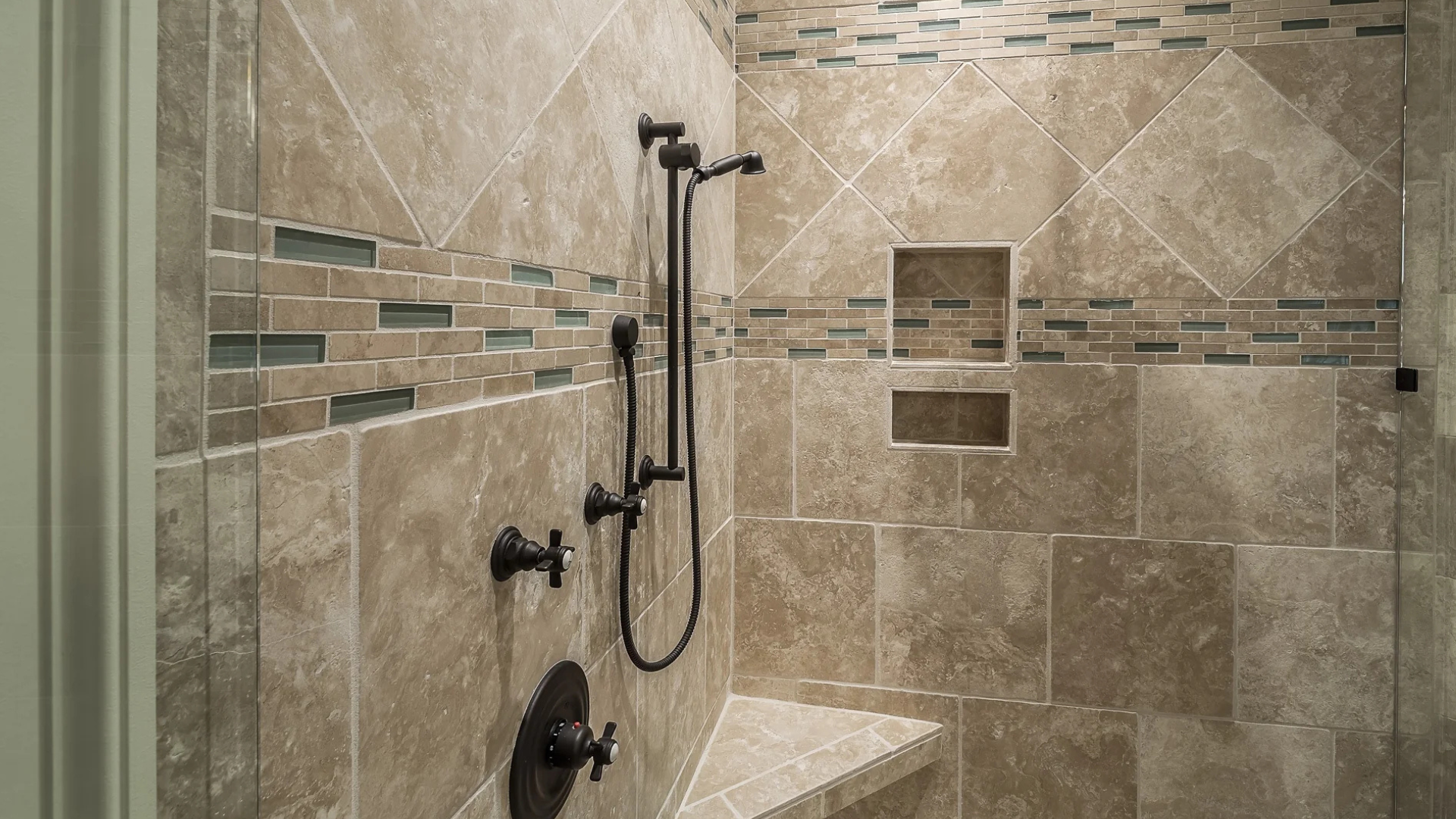
Natural stone is one of the most durable and valuable materials used throughout homes and commercial properties. Whether it's marble, limestone, travertine, granite, quartzite or terrazzo, natural stone is chosen for its timeless appearance, durability and ability to enhance the value of a property.
However, even the highest-quality stone is not immune to everyday wear. Over time, surfaces may develop scratches, etch marks, stains, chips or simply lose the polished finish they once had. When this happens, many homeowners immediately assume replacement is the only solution.
In reality, that's rarely the case.
Professional stone restoration can often remove years of wear and significantly improve the appearance of natural stone without the expense, disruption and waste associated with replacing it. In many situations, restoration allows homeowners to preserve the stone they already have while achieving a finish that closely resembles when it was first installed.
So how do you know whether restoration or replacement is the better option?
The answer depends on the condition of the stone, the extent of the damage and your long-term goals.
When Restoration Is Usually the Better Choice
In most cases, natural stone can be successfully restored if the damage is limited to the surface.
Professional restoration is often recommended for:
- Dull or cloudy surfaces
- Marble etching
- Surface scratches
- Minor chips
- Light cracks
- Staining
- Worn traffic areas
- Uneven finishes
- General ageing
These issues affect the appearance of the stone rather than its structural integrity. Through specialist restoration techniques such as honing, polishing, repairs and sealing, many surfaces can be dramatically improved without removing the existing stone.
For homeowners who love the look of their natural stone but want to restore its original beauty, restoration is often the most practical and cost-effective solution.
When Replacement May Be Necessary
Although restoration can resolve many common problems, there are situations where replacement may be the more appropriate option.
Examples include:
- Severe structural cracking
- Large sections of broken stone
- Poor-quality previous repairs
- Extensive movement of the substrate
- Incorrect installation causing ongoing issues
- Stone that has become unstable or unsafe
Even in these situations, a professional assessment is worthwhile. What appears to be irreversible damage may still be partially or fully repairable depending on the circumstances.
For this reason, it's always best to have the stone inspected before making the decision to replace it.
The Cost Difference Can Be Significant
One of the biggest advantages of restoration is cost. Replacing natural stone often involves far more than purchasing new material.
Additional costs may include:
- Demolition
- Removal of existing stone
- Disposal fees
- New stone supply
- Fabrication
- Installation
- Plumbing adjustments
- Cabinet modifications
- New splashbacks or finishes
The final cost can quickly become several times higher than restoring the existing surface.
Professional restoration, on the other hand, focuses on improving the stone that is already in place, making it a far more economical solution in many situations.
Restoration Is Usually Less Disruptive
Replacing natural stone is rarely a simple project. Depending on the location of the stone, replacement may require days or even weeks of disruption while materials are removed, fabricated and installed.
For kitchen benchtops, this may mean losing access to one of the most important areas of the home. Professional restoration is generally completed much more efficiently, allowing homeowners to continue using their property with far less inconvenience.
Preserving the Character of Natural Stone
One of the unique qualities of natural stone is that no two slabs are identical.
Every piece has its own:
- Natural veining
- Colour variation
- Texture
- Pattern
- Character
When replacing stone, it can be difficult—or sometimes impossible—to source material that perfectly matches the original. Restoration allows homeowners to preserve the unique stone they already have while improving its appearance.
This is particularly important in older homes or properties featuring rare or discontinued stone.
Environmental Benefits of Restoration
Restoration is not only a smart financial decision—it can also be a more sustainable one. Replacing natural stone generates waste through demolition, transport and disposal of the existing material, while manufacturing and transporting new stone also requires additional resources.
By restoring the existing surface wherever practical, homeowners can reduce unnecessary waste and extend the life of materials that are already in excellent structural condition.
For many people, restoration offers a more environmentally responsible alternative to replacement.
Professional Restoration Delivers Long-Term Value
Professional stone restoration is about much more than improving appearance.
A properly restored surface can:
- Remove years of wear
- Improve consistency
- Restore clarity and shine
- Increase resistance to staining when sealed
- Extend the lifespan of the stone
- Delay or eliminate the need for replacement
Combined with proper maintenance, restoration can keep natural stone looking its best for many years.
Questions to Ask Before Replacing Your Stone
Before committing to replacement, it's worth asking:
- Is the damage only cosmetic?
- Has the stone been professionally assessed?
- Could scratches or etching be restored?
- Would restoration achieve the appearance I'm looking for?
- What are the total costs of replacement?
- How much disruption will replacement involve?
Many homeowners are surprised to learn that restoration provides the result they were hoping for without replacing the stone.
So, Should You Restore or Replace?
For many natural stone surfaces, professional restoration is the smarter first option. If the stone is structurally sound, restoration can often restore its appearance, extend its lifespan and preserve its unique character while avoiding the significant cost and disruption of replacement.
Every project is different, which is why a professional assessment is the best way to determine the most appropriate solution.
Restore Your Natural Stone with Confidence
At Complete Stone Care, we specialise in restoring marble, limestone, travertine, granite, terrazzo, quartzite and other natural stone surfaces throughout Sydney. Our experienced technicians carefully assess each project and provide honest advice on whether restoration is likely to achieve the desired result or whether replacement should be considered.
If your natural stone has become dull, scratched, etched or damaged, contact Complete Stone Care today to arrange a professional inspection or request a free quotation.