

What Happens During a Professional Stone Restoration Service?

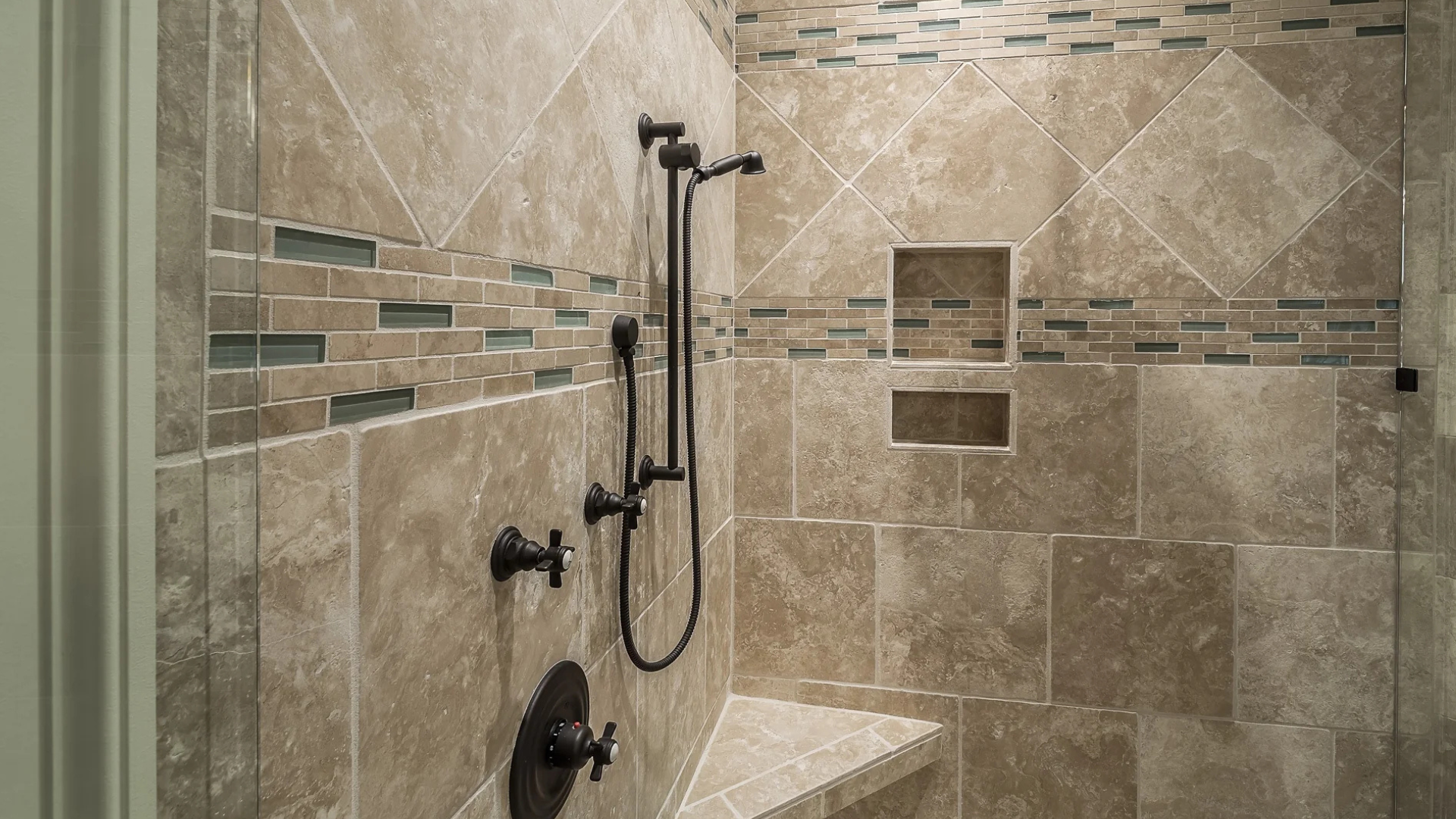
Natural stone is one of the most durable and visually impressive materials used in homes and commercial properties. Whether it's marble, limestone, travertine, granite, terrazzo or quartzite, natural stone offers a timeless appearance that can last for decades when properly maintained.
Over time, however, even the highest-quality stone begins to show signs of everyday use. Scratches, etch marks, stains, dullness and general wear can gradually affect its appearance, leaving surfaces looking tired or damaged.
Many homeowners assume replacing the stone is the only option, but in many cases professional restoration can successfully bring the surface back to life without the expense and disruption of replacement.
If you've never had natural stone restored before, you may be wondering exactly what happens during the process. While every project is different, professional stone restoration generally follows a structured approach designed to achieve the best possible result while protecting the integrity of the stone.
Every Restoration Begins With a Thorough Assessment
No two pieces of natural stone are exactly alike.
Before any work begins, an experienced stone restoration technician will carefully inspect the surface to determine:
- The type of natural stone
- The existing finish (polished, honed or matte)
- The condition of the surface
- The extent of scratches, etching or staining
- Existing cracks or chips
- Previous repairs
- Areas requiring special attention
This assessment allows the technician to recommend the most appropriate restoration process rather than applying the same treatment to every project.
Because different stones behave differently, understanding the material is one of the most important parts of a successful restoration.
Protecting the Surrounding Area
Before restoration equipment is brought in, surrounding areas are carefully prepared.
Depending on the project, this may include protecting:
- Cabinetry
- Splashbacks
- Appliances
- Timber flooring
- Walls
- Joinery
- Furniture
- Fixtures
Taking the time to properly protect adjacent surfaces helps ensure the restoration work is completed safely and professionally.
Deep Cleaning the Surface
Natural stone often accumulates years of dirt, soap residue, grease and other contaminants that ordinary household cleaning cannot fully remove. Before restoration begins, the stone is thoroughly cleaned so the technician can accurately assess the condition of the surface. Deep cleaning also removes contaminants that could interfere with later stages of the restoration process.
Removing Surface Damage
Once the surface has been cleaned and assessed, attention turns to removing visible damage.
Depending on the condition of the stone, this may include:
- Light scratches
- Heavy scratches
- Etch marks
- Water marks
- Surface wear
- Uneven finishes
- Minor lippage
Rather than covering the damage, professional restoration carefully refines the surface itself to remove imperfections and create a more uniform finish.
Honing the Stone
For many restoration projects, honing is one of the most important stages. Honing uses specialised diamond abrasives to remove a microscopic layer from the surface of the stone.
This process helps eliminate:
- Etch marks
- Fine scratches
- General wear
- Uneven patches
- Surface dullness
The result is a smoother, more consistent surface that is ready for its final finish.
Polishing the Stone
Once the stone has been properly prepared, polishing restores the clarity and finish of the surface. The level of polish depends on the client's preferred appearance and the type of stone being restored.
Possible finishes include:
- Matte
- Honed
- Satin
- Polished
- High gloss
Professional polishing enhances the natural colour, veining and depth of the stone while creating a more consistent appearance across the entire surface. Unlike DIY polishing products, professional polishing restores the stone itself rather than simply applying a temporary shine.
Repairing Chips and Cracks
Where required, minor chips and cracks may also be repaired as part of the restoration process. Professional repairs aim to blend damaged areas as naturally as possible with the surrounding stone.
Depending on the project, repairs may include:
- Edge chips
- Corner damage
- Hairline cracks
- Small impact damage
- Filled holes in travertine
Completing repairs before the final finish helps achieve a more seamless result.
Applying a Premium Sealer
Once restoration has been completed, many natural stone surfaces benefit from the application of a premium penetrating sealer. Sealing helps reduce the absorption of moisture and common household liquids, making the stone easier to maintain and helping reduce the risk of staining.
It's important to understand that while penetrating sealers help protect against stains, they do not prevent acidic substances from etching marble or other calcium-based stones. For clients seeking enhanced protection against etching, specialised protective coatings such as MORE™ AntiEtch™ may also be suitable for certain applications.
Final Inspection
Before the project is completed, the restored surface is carefully inspected to ensure the finish is consistent and meets the expected standard.
The technician will also discuss:
- Recommended maintenance
- Suitable cleaning products
- Ongoing care
- When future maintenance may be beneficial
Providing homeowners with the right maintenance advice helps preserve the restored finish for as long as possible.
How Long Does Stone Restoration Take?
The duration of a restoration project depends on several factors, including:
- The type of stone
- The size of the area
- The amount of damage
- The restoration process required
- Whether repairs are being completed
Smaller benchtops may be completed in a single visit, while larger residential or commercial projects may require additional time.
A professional assessment will provide a clearer indication of the expected timeframe.
Why Professional Restoration Makes a Difference
Natural stone is a premium material that deserves specialist care. Attempting to restore damaged stone using unsuitable products or incorrect techniques can sometimes create additional problems, resulting in uneven finishes or permanent damage.
Professional restoration uses specialised equipment, industry knowledge and proven restoration methods designed specifically for each type of natural stone. The result is a finish that not only looks significantly better but also helps extend the life of the stone for years to come.
Restore Your Natural Stone with Confidence
Professional stone restoration is about much more than making natural stone look cleaner. It is a carefully planned process that removes years of wear, repairs damage where possible and restores the natural beauty of the stone while preserving its long-term integrity.
At Complete Stone Care, we specialise in the restoration, polishing, repair and protection of marble, limestone, travertine, terrazzo, granite, quartzite and other natural stone surfaces throughout Sydney. Every project is tailored to the condition of the stone, ensuring the most appropriate restoration method is used to achieve the best possible result.
If your natural stone has lost its shine, developed scratches or suffered everyday wear, contact Complete Stone Care today to arrange a professional inspection or request a free quotation.