

Why Acidic Cleaners Permanently Damage Marble and Limestone

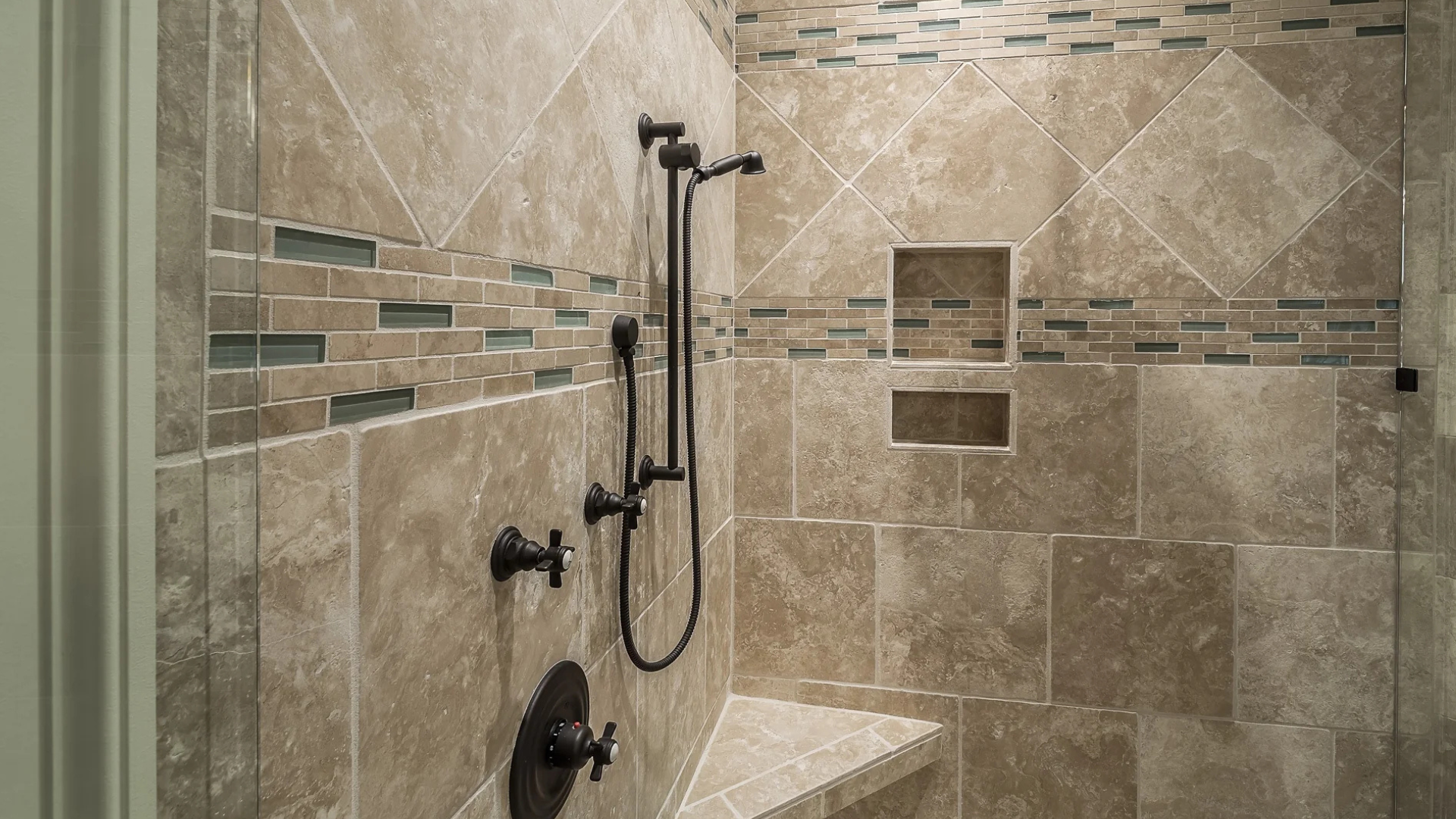
Marble and limestone are among the most popular natural stones used in Australian homes. Their timeless appearance, elegant veining and natural character make them a popular choice for kitchen benchtops, bathroom vanities, flooring, staircases and feature walls.
Although both materials are highly durable, they require the correct care to maintain their appearance. One of the most common mistakes homeowners make is cleaning natural stone with products that contain acids. Many people assume that if a cleaner removes soap scum, grease or hard water stains, it must also be suitable for marble or limestone. Unfortunately, the opposite is often true.
Acidic cleaners don't simply clean the surface—they chemically react with the stone itself. Even a single application can leave behind dull patches, cloudy marks or permanent etching that cannot be removed with ordinary cleaning.
Understanding why this happens can help protect one of the most valuable features of your home.
Why Marble and Limestone React to Acids
Marble and limestone are both calcium-based natural stones.
Their primary component is calcium carbonate, a naturally occurring mineral that reacts with acidic substances. When acid comes into contact with the surface, a chemical reaction begins almost immediately. Rather than leaving behind a stain, the acid dissolves a microscopic layer of the stone.
Although the damage may be invisible at first, repeated exposure gradually removes the polished finish and leaves the surface looking dull, cloudy or uneven.
Unlike dirt or residue, this damage becomes part of the stone itself.
This is why acidic damage cannot simply be wiped away.
What Happens When You Use an Acidic Cleaner?
When an acidic cleaner is sprayed onto marble or limestone, several things occur:
- The acid reacts with the calcium carbonate.
- A microscopic layer of the stone begins to dissolve.
- The polished finish becomes damaged.
- The affected area loses clarity and reflection.
- The surface becomes dull or patchy.
The stronger the acid—or the longer it remains on the surface—the greater the potential damage. Repeated use over weeks or months often causes widespread dullness that many homeowners mistake for general wear.
Common Household Products That Can Damage Marble
Many products found in kitchens and bathrooms contain acids.
Common examples include:
- Vinegar
- Lemon juice
- Lime removers
- Bathroom cleaners
- Toilet cleaners
- Descaling products
- Mould removers
- Rust removers
- Grout cleaners
- Some multi-purpose sprays
Even products marketed as "natural cleaners" may contain enough acid to damage marble or limestone. For this reason, homeowners should never assume a cleaner is suitable simply because it's advertised as environmentally friendly.
It's Not Just Cleaning Products
Many everyday foods and drinks can also damage natural stone.
Examples include:
- Wine
- Coffee
- Orange juice
- Tomato sauce
- Soft drinks
- Citrus fruits
- Salad dressings
If these substances remain on marble or limestone for an extended period, they can leave permanent etch marks.
Promptly wiping spills helps reduce the likelihood of damage.
Why the Damage Is Permanent
One of the biggest misconceptions is that acidic cleaners leave behind a residue that can simply be washed away. Unfortunately, that's not how etching works.
The acid permanently changes the surface of the stone. Once the polished finish has been dissolved, ordinary cleaning products cannot recreate it.
This is why homeowners often become frustrated after trying numerous cleaners without seeing any improvement.
The issue isn't dirt—it's physical damage to the surface.
Can Acid Damage Be Repaired?
In many cases, yes. Professional stone restoration can often remove etch marks and restore the original appearance of marble and limestone.
Depending on the severity of the damage, restoration may include:
- Surface assessment
- Diamond honing
- Professional polishing
- Scratch removal
- Refining the finish
- Premium sealing
Rather than covering the damage, restoration carefully removes the affected surface layer before restoring a consistent finish.
The result is a surface that looks significantly clearer, smoother and more reflective.
How to Clean Marble and Limestone Safely
Fortunately, protecting natural stone isn't complicated.
Some simple guidelines include:
- Use pH-neutral cleaners designed for natural stone.
- Avoid vinegar, lemon juice and acidic household cleaners.
- Never use abrasive pads or scourers.
- Wipe spills promptly.
- Use soft microfibre cloths for routine cleaning.
- Follow professional maintenance recommendations.
These simple habits can significantly extend the life and appearance of natural stone.
Does Sealing Prevent Acid Damage?
Professional sealing is highly recommended for most natural stone surfaces. A penetrating sealer helps reduce the absorption of liquids, making the stone more resistant to staining and easier to maintain. However, it's important to understand that penetrating sealers do not prevent acid etching. Many homeowners mistakenly believe sealing makes marble acid-proof, but acidic substances can still react with the stone's surface.
For homeowners seeking enhanced protection, specialist surface protection systems such as MORE™ AntiEtch™ provide significantly greater resistance to everyday acids while maintaining the natural appearance of the stone.
Protect Your Marble Before Damage Occurs
The easiest way to avoid expensive restoration is to prevent unnecessary damage in the first place. Choosing the correct cleaning products and following appropriate maintenance practices can significantly extend the life of your marble or limestone while preserving its natural beauty.
If damage has already occurred, professional restoration is often able to remove etch marks and restore the original finish without replacing the stone.
Restore Acid-Damaged Marble and Limestone
At Complete Stone Care, we specialise in the professional restoration, polishing, repair and protection of marble, limestone and other natural stone surfaces throughout Sydney. Whether your stone has developed dull patches, etch marks or widespread loss of shine due to acidic cleaners, our experienced technicians can assess the damage and recommend the most appropriate restoration solution.
If your marble or limestone no longer looks its best, contact Complete Stone Care today to arrange a professional inspection or request a free quotation.